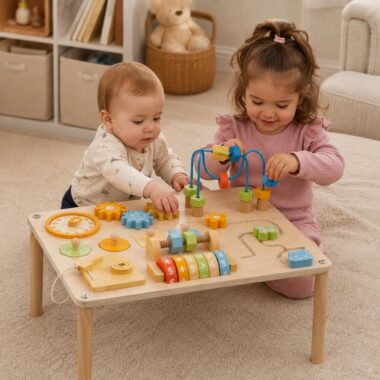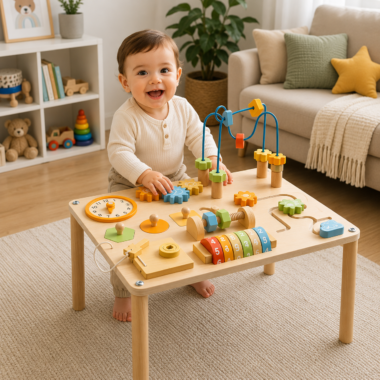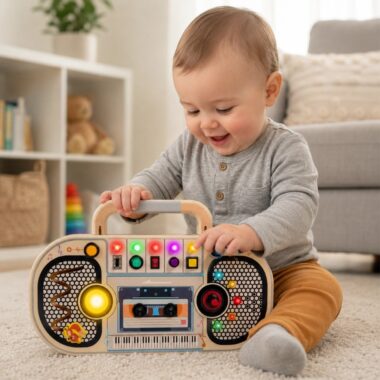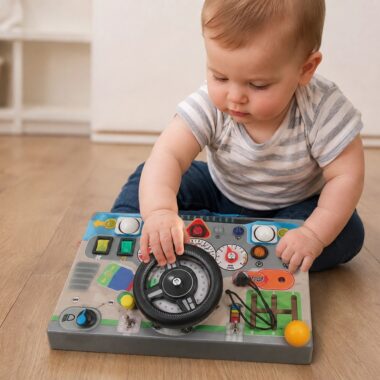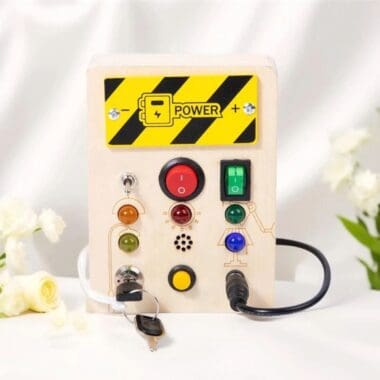
Toddlers learn best when they can explore, touch, listen and experiment. Musical instrument toys provide a simple way to combine play with early learning, helping children discover different sounds, rhythms and ways to express themselves. From shakers and drums to xylophones and bells, the right instruments can turn everyday playtime into an engaging learning experience.
Why Musical Play Is Valuable for Toddlers
Music encourages toddlers to become curious about cause and effect. When a child taps a drum, shakes a rattle or strikes a xylophone, they immediately hear a response.
This type of play can encourage:
- Hand-eye coordination
- Fine motor development
- Listening and attention skills
- Rhythm and timing
- Creativity and self-expression
- Early understanding of cause and effect
Unlike many screen-based activities, musical play gives children an opportunity to actively interact with their surroundings.
Choosing the Right Instrument Toys
When shopping for instrument toys, parents should consider the child’s age, size and developmental stage. Toddlers generally benefit from instruments that are easy to hold and operate without complicated instructions.
Popular choices include:
- Wooden shakers – simple for little hands to grip and move.
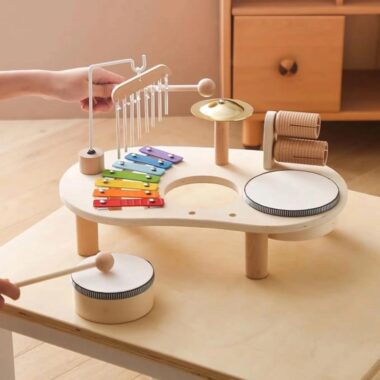
- Mini drums – encourage tapping, rhythm and active movement.
- Xylophones – introduce different tones and pitches.
- Bells – provide immediate sound feedback.
- Tambourines – combine movement and rhythm in one toy.
For younger toddlers, look for sturdy construction, smooth surfaces and age-appropriate components. Always follow the manufacturer’s recommended age range and safety guidance.
Exploring Montessori Musical Instruments for Toddlers
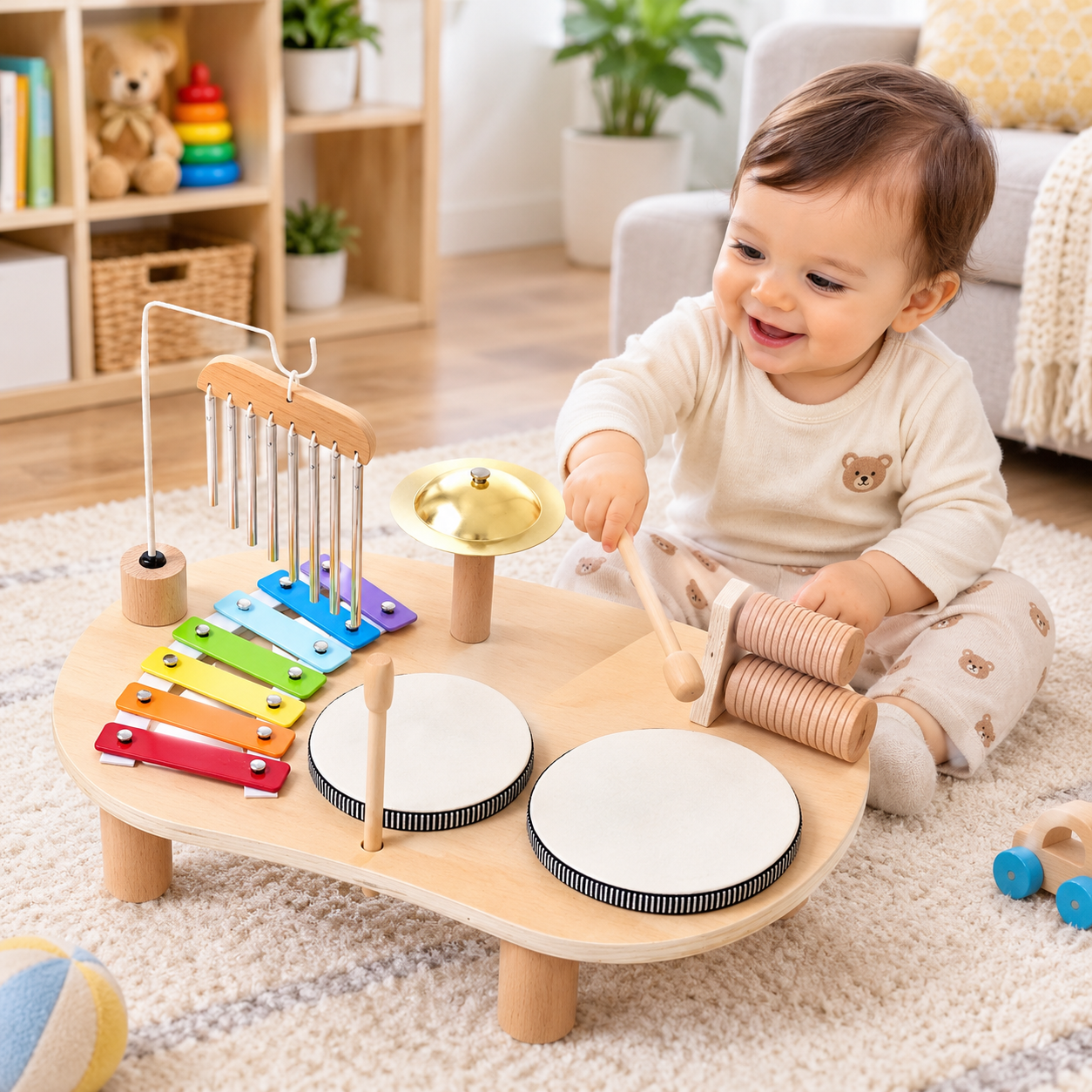
Parents interested in hands-on learning may also consider Montessori musical instruments for toddlers. Montessori-inspired play generally encourages children to explore objects independently and learn through practical experiences.
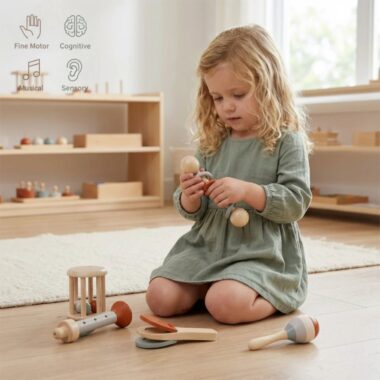
A small wooden instrument set can give toddlers opportunities to experiment with volume, rhythm and different sounds. Rather than expecting children to play a song correctly, parents can allow them to explore at their own pace.
A simple activity could involve tapping a drum slowly, shaking a maraca quickly or asking your toddler to copy a short rhythm. These activities can become fun parent-and-child interaction while encouraging listening and coordination.
What to Look for When Buying Musical Toys
Before purchasing, consider:
Age suitability: Choose instruments designed for your child’s developmental stage.
Material: Wooden instruments can be an attractive choice for parents looking for durable, tactile toys.
Size: Instruments should be comfortable for small hands to hold.
Variety: A set containing different instruments can provide more opportunities for exploration.
Safety: Check for secure components, appropriate age warnings and any small-part or battery information where applicable.
Make Music Part of Everyday Play
You don’t need formal music lessons to introduce your toddler to music. Singing together, clapping rhythms and allowing children to experiment with their instruments can make music a natural part of daily play.
For parents looking for engaging children’s products, BabyShopper offers a range of baby and toddler toys designed for different stages of early development.
Final Thoughts
Musical play can be both entertaining and educational. With age-appropriate musical instrument toys, toddlers can explore sounds, practise coordination and enjoy creative, screen-free play. A thoughtfully selected instrument set can also become a wonderful addition to everyday family activities.