Introduction
Children are naturally fascinated by sounds. A simple tap on a drum, shake of a rattle or strike of a xylophone can turn ordinary playtime into an exciting learning experience. For parents looking for screen-free activities that encourage creativity, music can be a wonderful place to start.
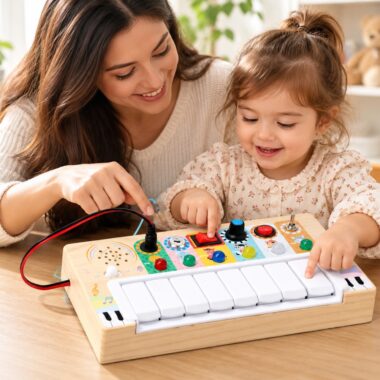
Montessori musical instruments can encourage children to explore rhythm, movement and sound through hands-on play. Musical play can also support coordination, sensory exploration, listening and self-expression. UK Montessori-focused retailers commonly highlight these benefits when presenting wooden musical toys for young children.
Why Musical Play Matters for Young Children
Music gives children the freedom to experiment. They can tap, shake, strike and repeat sounds while discovering cause and effect.
Key Benefits of Musical Play
🎵 Sensory Exploration
Different sounds, textures and movements give children opportunities to explore through touch and hearing.
👐 Fine Motor Development
Grasping shakers, tapping drums and holding small instruments can encourage controlled hand movements.
👂 Listening Skills
Children can begin to notice differences between loud, soft, fast and slow sounds.
🎨 Creativity
There is no single correct way to create music during open-ended play, allowing children to experiment and express themselves.
👨👩👧 Family Bonding
Parents can join in by singing songs, clapping rhythms or creating a simple family band.
Research-backed product guidance from UK toy retailers similarly describes musical play as supporting sensory development, coordination and early musical awareness.
What Are Montessori Musical Toys?
Montessori-inspired toys generally encourage hands-on exploration and independent discovery. Musical toys fit naturally into this approach because children can physically interact with an instrument and discover what happens through repetition.
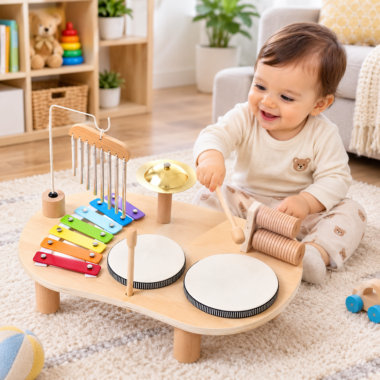
For example, a toddler might shake a maraca, listen to the sound and then try shaking it faster or slower. A xylophone allows children to experiment with different notes, while a drum introduces rhythm and movement.
The important part is that children are actively doing, rather than simply watching a toy perform for them.
Why Choose a Musical Instrument Set Instead of One Toy?
Buying individual instruments can be useful, but a collection allows children to discover several types of sound and movement in one play session.
What Might a Set Include?
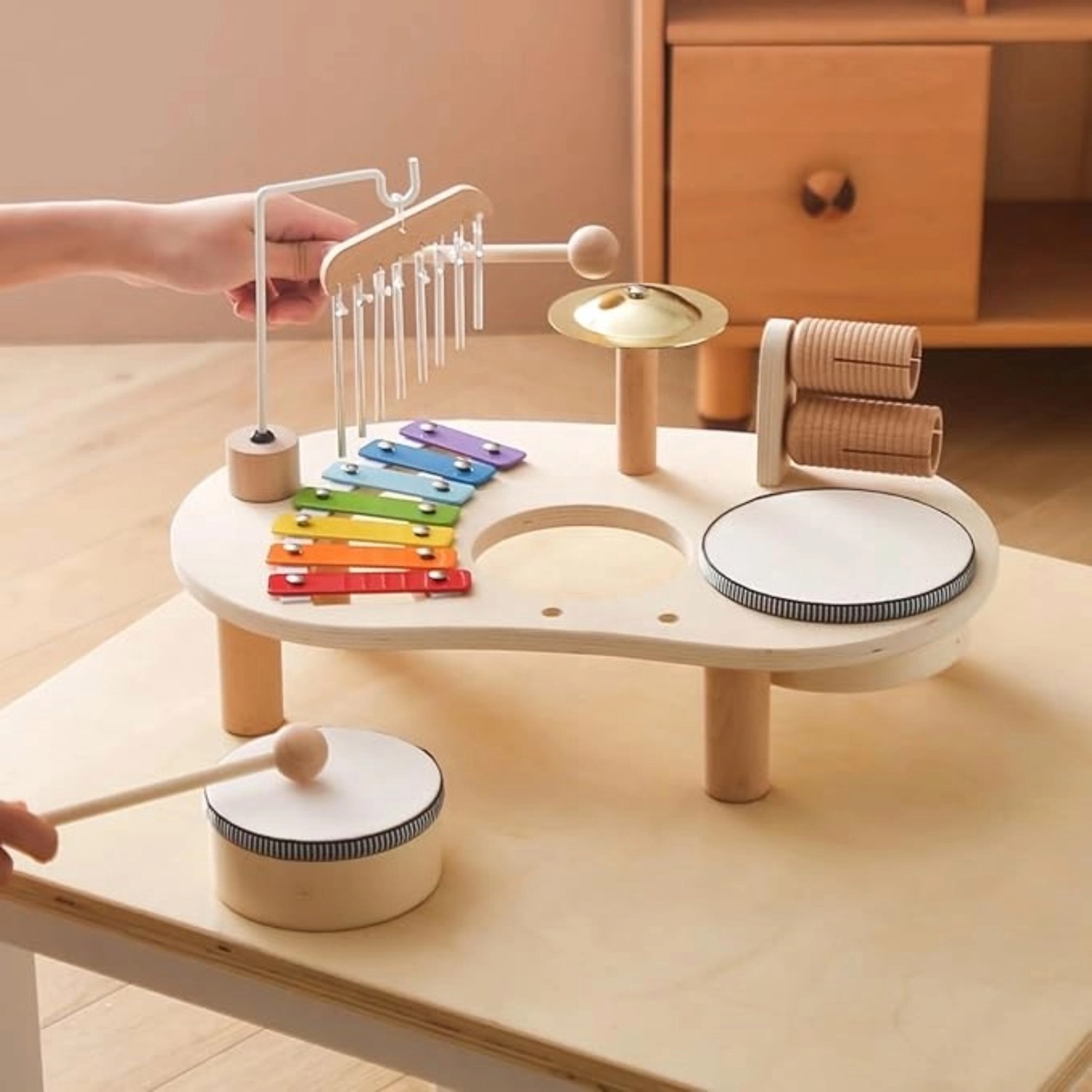
Depending on the age recommendation and design, a set may include:
- Xylophone
- Tambourine
- Maracas
- Rattle
- Bells
- Drum
- Clappers
- Rainmaker
- Other percussion instruments
Current UK sets range from smaller toddler-friendly collections to larger sets designed for older children, so parents should always check the manufacturer’s recommended age before purchasing.
How to Choose the Right Musical Toy
Before buying, consider these five simple points:
1. Age Recommendation
Choose an instrument that matches your child’s age and developmental stage. Some sets are designed for babies and toddlers, while others contain small parts and are recommended for children aged 3+.
2. Materials
Look for well-made instruments with suitable finishes and smooth construction.
3. Size
Instruments should be comfortable for little hands to hold and explore.
4. Variety
A set containing different instruments can provide a wider range of sounds and activities.
5. Storage
A carrying bag or storage box can make it easier to keep instruments organised after playtime. Some UK sets specifically include portable storage for this purpose.
Why Montessori Musical Instruments Sets Make Great Gifts
A musical set can be more than a toy—it can become an opportunity for shared family activities.
Parents can create simple games such as:
Clap → Shake → Stop → Repeat
Or:
Fast rhythm → Slow rhythm → Quiet sound → Loud sound
These simple activities can make music enjoyable while encouraging children to listen, copy patterns and experiment with movement.
Musical sets are also popular gift choices for birthdays, Christmas and other childhood milestones because they combine play with learning.
Choosing the Right Musical Toys for Your Child
When searching for musical instrument toys, don’t focus only on how colourful or entertaining a product looks. Consider whether it encourages your child to actively explore, create and interact.
For younger children, simple shakers and rattles may be appropriate. As children grow, they may enjoy xylophones, drums and larger percussion sets.
The best choice is ultimately one that matches your child’s age, interests and abilities.
Final Thoughts
Introducing music early can turn everyday play into an opportunity for discovery. From shaking a rattle to creating a rhythm with a drum, musical activities encourage children to explore the world through sound and movement.
If you’re looking for engaging, screen-free toys, Montessori musical instruments sets can provide a variety of hands-on activities in one collection. Choose age-appropriate, well-made instruments and join your child in making music together.
A few simple instruments can create hours of creative play—and perhaps even inspire your child’s first love of music.
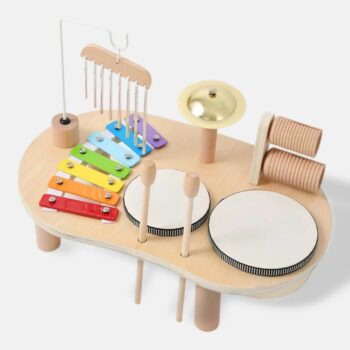
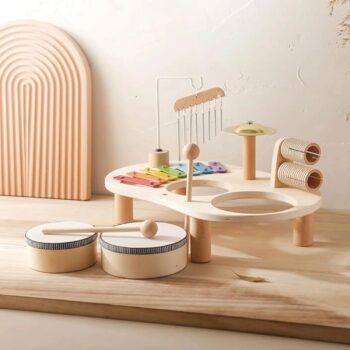
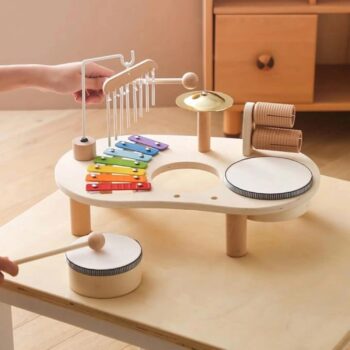
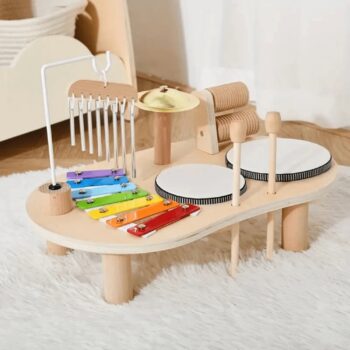
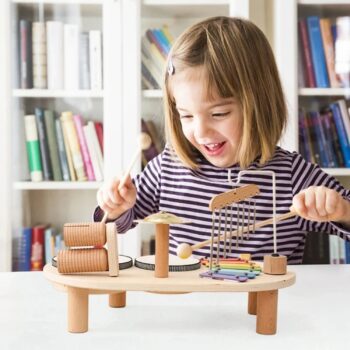
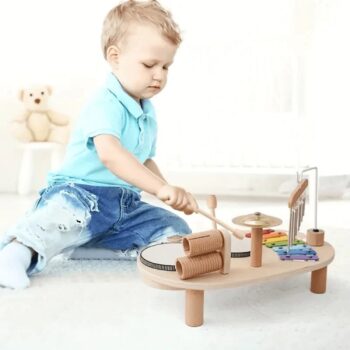
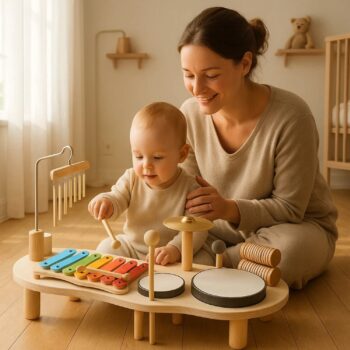
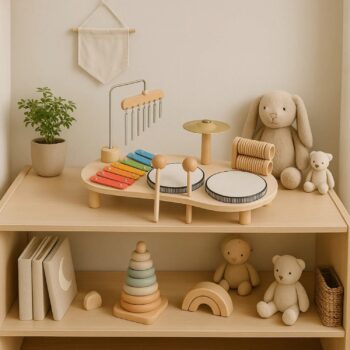
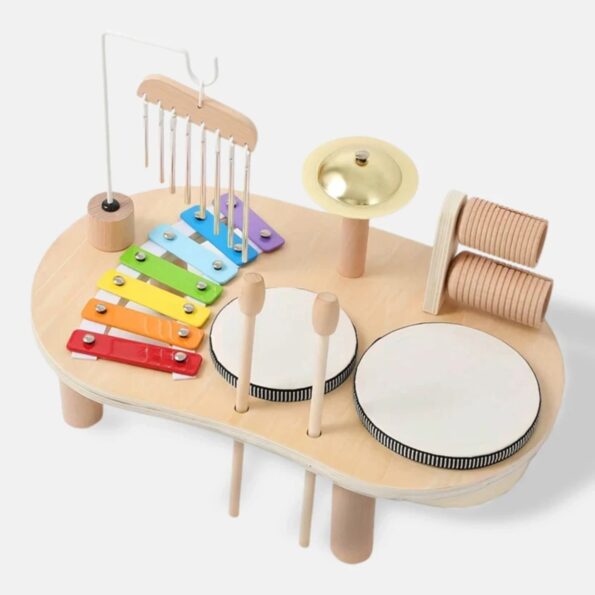
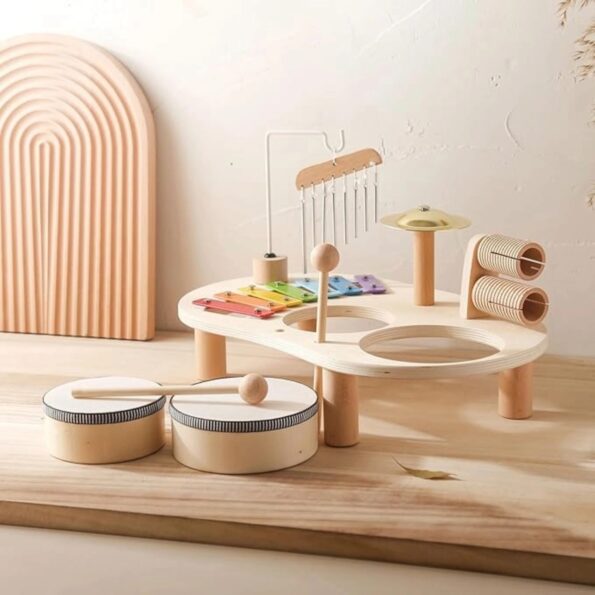
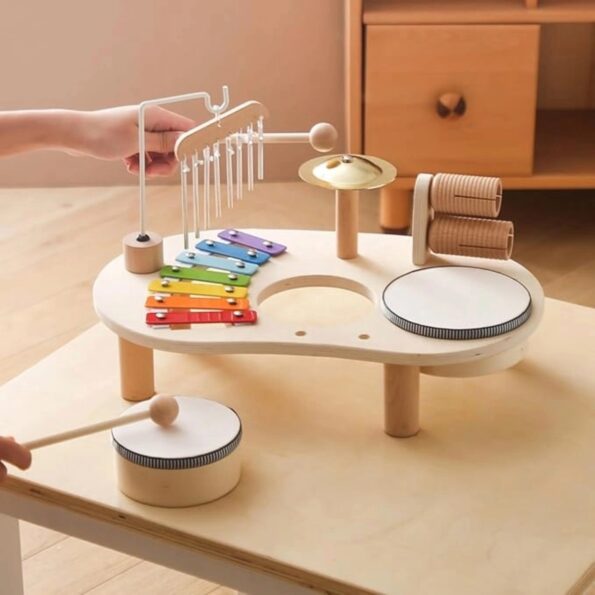
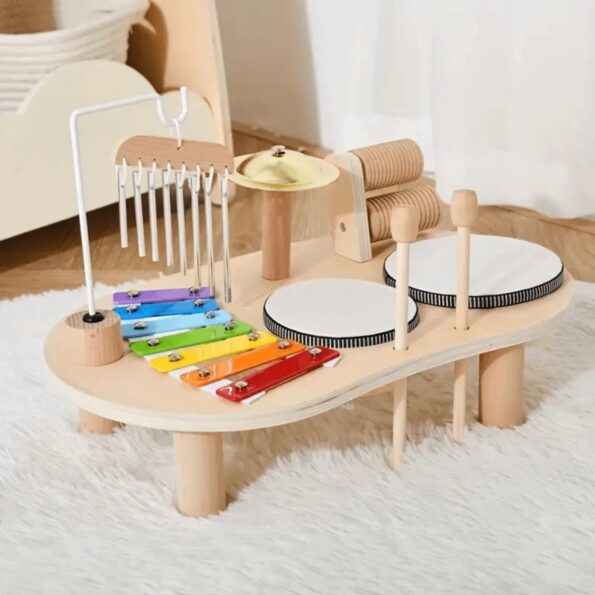
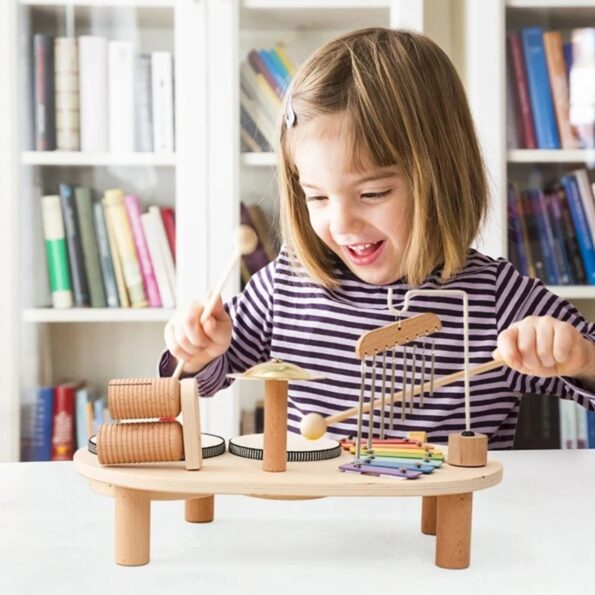
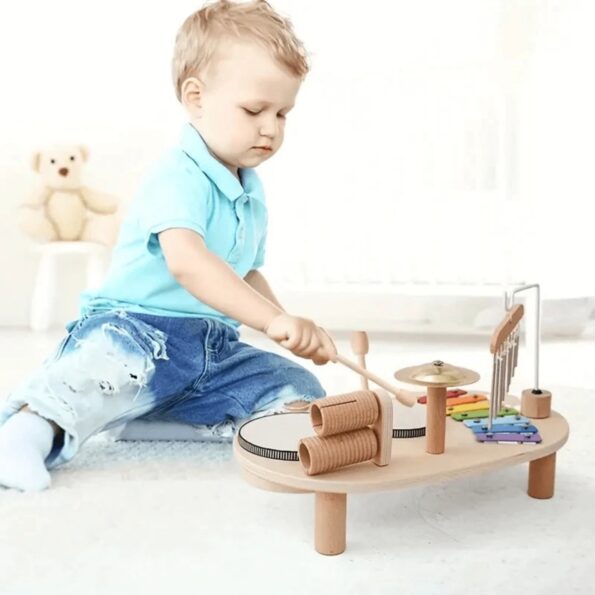
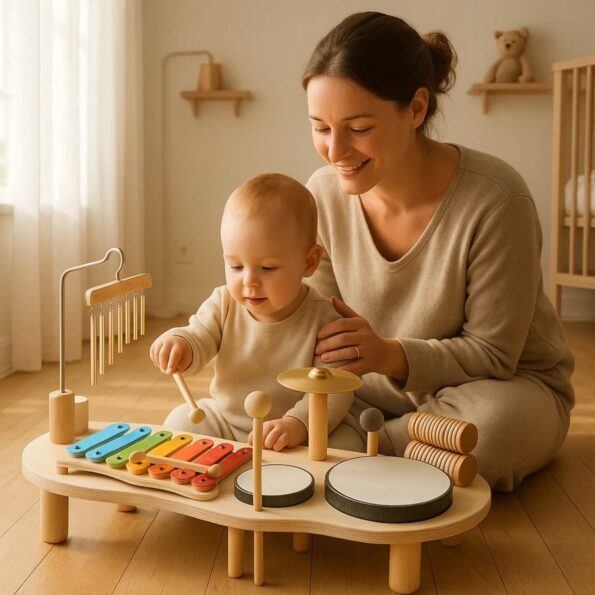
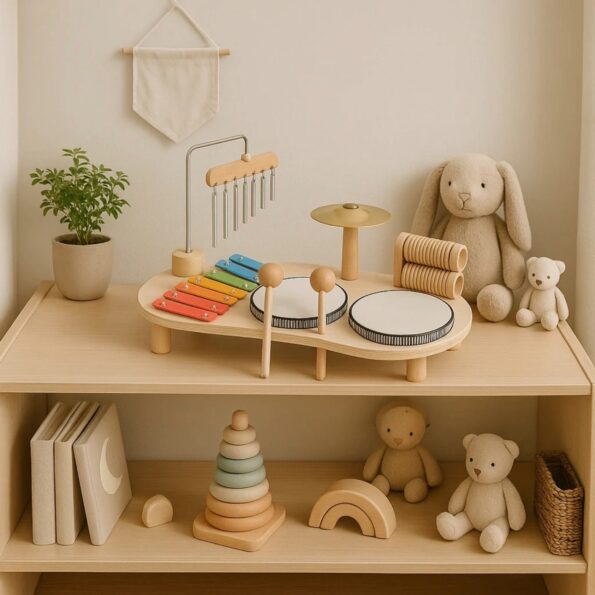
8 In 1 Montessori Wooden Baby Musical Set Toys Drum Instruments Activity Toys Christmas Gifts for Toddlers 3+
13 in stock